
.jpeg)
Why do some condos sit on the market for months while others attract the right buyers and the right offers? This report outlines the key strategies that give condo sellers a decisive advantage in today's market.
Economic times are changing. The real estate marketplace is changing too — and so must your home-selling strategy. With conflicting housing reports and ongoing uncertainty, it's easy to feel stuck. But with the right information, you can avoid the pitfalls most sellers fall into and get your home sold at the best price in the timeframe you need.
1. The Biggest Blunder That Keeps Condos "For Sale" Too Long
The most critical decision you'll make as a seller is where to set your asking price. Sellers have three choices: below market value, at real market value, or above market value. The biggest mistake is pricing above market value with the intention of "having room to negotiate."
This seems logical — but it backfires. When a home is priced more than one or two percent above real market value, agents simply won't show it. With so many homes to choose from, they won't waste their clients' time on overpriced listings. The result is almost zero activity.
Market statistics show that homes being sold are the ones priced at or slightly below real market value. Here's why that strategy works: once a buyer reaches the point of making an offer, they've already mentally bought your home. They don't want to start over. That's your leverage. You can hold firm because moving their price up is far easier than asking them to restart the entire decision process.
A seller who prices above market value will:
- Have difficulty getting showings
- Endure months of stress and uncertainty
- Potentially carry two mortgage payments
- Still have to negotiate down when an offer finally comes
- End up at market value anyway — after 6 to 8 months instead of 30 to 60 days

2. The Surprising Way Sellers Sabotage Their Own Sale
Faulty pricing logic isn't the only trap. Emotion plays an equally dangerous role. Your home holds memories and represents a major financial investment. That makes it easy to overestimate what your personal upgrades are worth to a buyer.
For every advantage you see in your home, a buyer can see a disadvantage. A custom entertainment center you love may be the wrong wood color for the next person. A location next to a school that you find convenient may be a dealbreaker for someone else.
How to stay objective:
- Get realistic. Your upgrades may not carry the same value to buyers as they do to you.
- Listen to your agent. Her objectivity will clarify which features have emotional value to you but no monetary value to buyers.
- Use the Comparative Market Analysis (CMA). This shows final sale prices of comparable homes nearby — the most objective benchmark available.
- Check the competition. Tour other similarly priced listings and compare. This is exactly what buyers are doing.
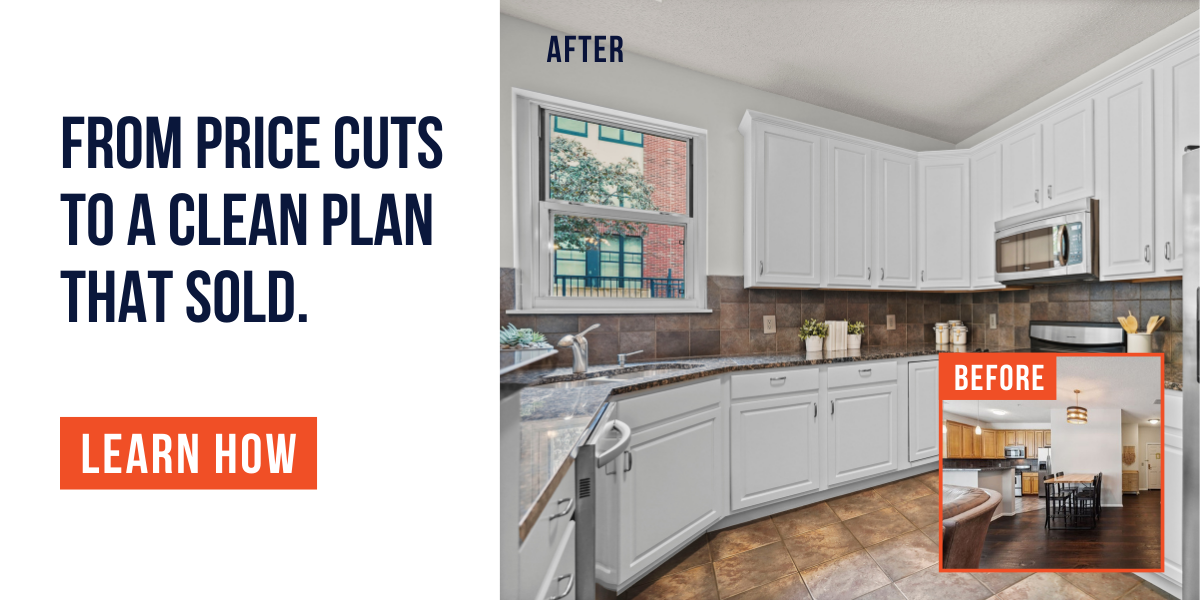
- Fix the easy things. Remove clutter, let in light, repaint, re-carpet. Small cosmetic changes have an outsized impact on buyer emotion.
3. The Most Powerful Tactic Sellers Miss for Attracting Qualified Buyers
A changing market can tempt sellers into going FSBO (For Sale By Owner) to save on commission. The problem is that FSBO buyers are also hunting for a bargain — hoping to pay at least the amount of the commission they assume you're saving. It's impossible for both parties to save the same fee. The seller almost always ends up selling for less.
FSBO sellers attract lowballers, tire-kickers, and unqualified shoppers. Most end up listing with an agent within 30 to 60 days anyway — after months of wasted time and frustration.
The majority of serious buyers are working with an agent, because it costs them nothing extra to do so. That's where you need to be — in front of those agents and their pre-qualified clients. A quality agent will:
- Promote your home to the full agent network
- Screen and pre-qualify every buyer before a showing
- Bring only buyers with the financial means and the right criteria to purchase your home
- Dramatically reduce lowball offers
4. Why Bad Sales Happen to Good People
A home sale is a legal transaction governed by state and federal laws. When sellers and buyers deal directly with each other, the potential for misrepresentation and misunderstanding — and the lawsuits that follow — increases significantly.
Consider a seller who fails to mention a small roof leak because it "doesn't really affect anything." Three months after closing, a rainstorm turns that small leak into a kitchen flood. The buyer sues. The seller pays more in legal fees than an agent's commission would have ever cost.
What you need to know:
- In almost every state, sellers must disclose every known defect. Failure to do so creates legal liability.
- You remain open to a lawsuit for one full year after closing for any undisclosed defect.
- Transactions handled without a professional agent end up in court at a significantly higher rate.
- A quality agent conducts a walk-through, documents all disclosures, and ensures the buyer signs off — protecting you before, during, and after the transaction.
5. How to Choose the Right Agent and Get Your Asking Price
The agent you choose determines whether this experience is manageable or miserable. There are three keys to identifying the right one:
Rapport. Do you feel comfortable talking openly with this person? If things get difficult — and they can in uncertain markets — you need to be able to communicate clearly and honestly. Look for a genuine connection first.
Personal marketing. How does the agent present herself through her materials? The quality of how she markets herself is a direct signal of how she will market your home. An agent who does not market herself effectively is not likely to market your home effectively.
Reputation within the real estate community. Your agent's reputation with other agents directly impacts how much attention those agents pay to your listing. Three ways to check:
- Call the local Board of Real Estate and ask for agents who have won service awards.
- Call the manager of the agent's office and ask directly about their reputation.
- Ask the agent for references from agents at other companies — then call them.
Want the Complete Seller Guide?
If this was helpful, the full version goes deeper into pricing strategy, buyer psychology, legal protections, and how to position your condo to sell in today’s downtown market. It’s completely free.
Email me at joe@drgmpls.com and include "Seller Guide" in the subject line.
When you become a Client for Life, me and my team commit to:
- Sell your home in the timeframe you need.
- Get you the highest price possible in today's marketplace.
- Market your home to other agents so that together we bring you only qualified buyers who will find your home a perfect fit.
- Tell you the truth about your home and the current marketplace, even when it may be difficult to hear.
- Protect you by covering every legal and regulatory base required.
Ready to Sell Your Condo?
Don't wait for the "perfect" market. The best time to sell is when you have the right strategy and the right partner. Give me a call today.
Joe Grunnet — Broker | Owner, DRG
Phone: (612) 244-6613
Email: Joe@DRGMpls.com
Website: drgmpls.com
700 Washington Ave N, #101, Minneapolis, MN 55401
Leave A Comment